NEVAEH'S WORKSHEET - ANCIENT EGYPTIAN MAKEUP
Submitted: 12/01/2026, 13:29:52
What types of makeup did ancient Egyptians use? Ancient Egyptians used makeup like kohl (black eye paint from galena), green eye paint (malachite), and red ochre (for lips/cheeks), mixed with fats or water on stone palettes, for both beauty and protection from sun glare and infections with men and women wearing it for spiritual and status reasons. They also used henna for nails hair, fragrant oils, and even made breath mints from spices and honey.
What ingredients did they use to make makeup? How was it made? Ancient Egyptians made makeup from ground minerals like galena (black kohl), malachite (green eyeshadow), and red ochre (rouge/lip colour), mixed with fats or gums into pastes. Serving beauty, sun protection, and health purposes, with ingredients like antimony, charcoal, and even synthesised lead compounds also used, ground on palettes with pestles.
Why did ancient Egyptians wear makeup? Ancient Egyptians wore makeup for practical, spiritual, and aesthetic reasons, including sun glare protection, warding off infections, signifying status, appealing to gods, and enhancing beauty, with kohl eyeliner being used by all genders for eye health and divine protection, while red ochre and other pigments adorned lips and cheeks for appearance and health benefits.
Who wore makeup in ancient Egypt? Both men and women of all social classes in Ancient Egypt wore makeup, from pharaohs to peasants, using it for beauty, health, and spiritual protection, with eyeliner (kohl) being universal, while the wealthy used more elaborate cosmetics like eyeshadow, rouge, and perfumes. It was seen as a sign of holiness and connection to the gods, with specific pigments and containers denoting wealth and status, and even children wore protective kohl.
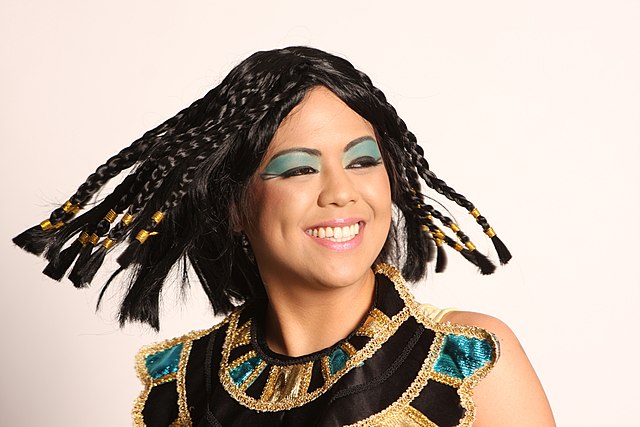
What did the famous Egyptian eye makeup (kohl) look like and what was it made from? Ancient Egyptian kohl looked like a heavy, dark, grey, or a green ) eyeliner, often drawn in thick, dramatic lines above and below the eyes, sometimes extending outward, and was made from ground minerals like galena (lead sulphide) ( for black)or malachite (copper ore) (for green), mixed with binders like fats, oils, or resins. Both men and women wore it for beautification.
What colors were most common in Egyptian makeup and what did they symbolize? Ancient Egyptian makeup most commonly featured black (kohl for eyes) for protection/mystery, green ( malachite for eyelids) for regeneration/health, and red (ochre for lips/cheeks for vitality/ passion, alongside yellow/ gold for divinity, all imbued with symbolic meanings of life, rebirth, and protection from the evil eye.
What tools did Egyptians use to apply makeup? Ancient Egyptians used various tools like wooden/bone/ivory sticks and brushes, cosmetic spoons, pads, and even their fingers to apply makeup, often stored in ornate alabaster jars or kohl tubes, crafting applications from materials like reeds or polishing bronze for mirrors to create kohl eyeliner, eyeshadow, and lip tints for beauty, protection, and spiritual reasons.
How is ancient Egyptian makeup different from modern makeup? Ancient Egyptian makeup was fundamentally different due to its spiritual/medicinal purpose, use of toxic minerals like lead (galena) for kohl and malachite for eyeshadow, and DIY creation from natural pigments (ochre, henna ) For both genders, contrasting with modern makeups focus on scientific safety, self- expression, diverse synthetic/natural ingredients, and broader cultural use.
What can we learn about ancient Egyptian culture from their makeup? Ancient Egyptian makeup provides profound insight into their culture, revealing a society that integrated cosmetics into aspects of religion and spirituality, health and hygiene, and social status for both men and women
Article Title:
Facts about Egyptian makeup:
- It was worn by both men and women for spiritual purposes (appeasing gods, and served practically as (sun glare protection, hygiene) and the afterlife, )
- It uses ingredients like kohl (galena/lead sulphide) for black eyeliner and malachite for green eyeshadow,
It also has red ochre for cheeks and lips, with richer classes using more elaborate products like perfumes and lotions made from oils, milk, and resins used for moisture and anti-aging.
Your Article:
All about Ancient Egyptian makeup:
Ancient Egyptian makeup is worn by both men and women it has all sorts of interesting ingredients made in it like natural minerals and organic materials like malachite (green) and galena (black kohl) for eyes mixed with fats for resins, while red ochre served as rouge and lip color, and henna stained nails and hair , all believed to have protective and spiritual properties. Ingredients included lead-based compounds, burnt almonds, copper, charcoal, and animal fats, often blended for specific colours and textures. Ancient Egyptians wore makeup for practical , spiritual, and aesthetic reasons, believing it offered sun protection, warded off evil spirits, healed eye ailments and signified status, with both men and women using kohl eyeliner and other cosmetics for health, beauty, and to prepare for the afterlife. Kohl reduced sun glare, while its lead compounds stimulated nitric oxide to fight infection, making it medically beneficial. Ancient Egyptians used various tools for makeup including wooden or reed brushes, small sticks (bone, wood, ivory) for kohl, pads for powders and ornate spoons for mixing/applying pastes, all often stored in alabaster jars decorative vessels. They also used fingers, combs, mirrors, and tweezers , reflecting sophisticated techniques for applying pigments like kohl, malachite (green shadow), and ochre (rouge/lipstick) for beauty and sun protection. Ancient Egyptians used natural minerals like galena (for black kohl) and malachite (for green eyeshadow), mixed with fats or oils, to create dramatic eye makeup (kohl/ eyeliner) for beauty and sun/ infection protection, while red ochre provided blush and lip colour, and henna stained nails, with both men and women wearing makeup for spiritual medicinal, and status reasons.