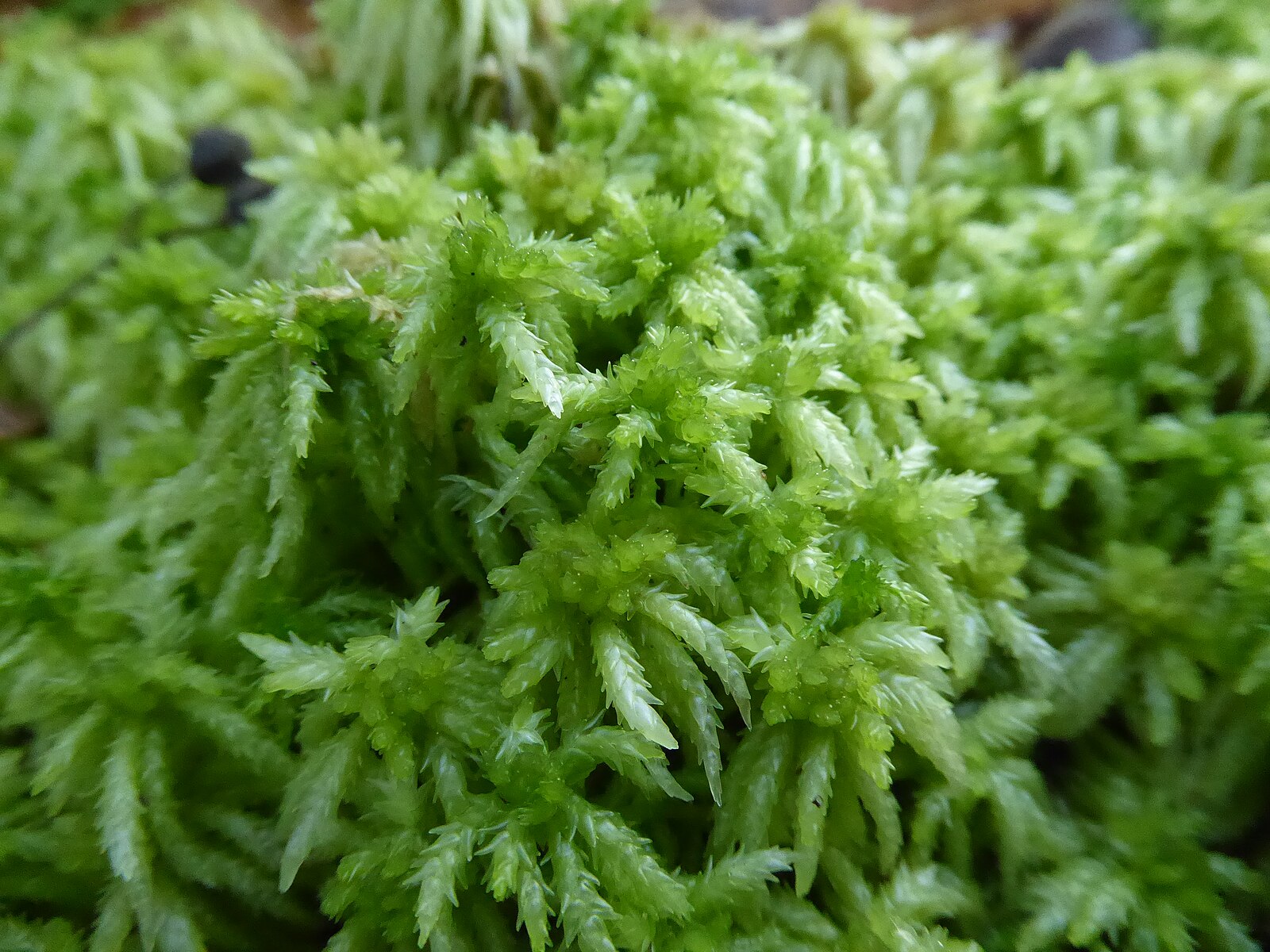
Sphagnum Moss
Home-school assignment about Sphagnum Moss 08/01/2026
What sphagnum moss is used for in today's world: Sphagnum moss in today's world is used for medicine and crafts.
What makes sphagnum moss antiseptic: Sphagnum moss is antiseptic primarily due to its extreme acidity, which creates an environment hostile to bacteria.
Sphagnum moss's effect on bacteria: Sphagnum moss has a complex and dynamic relationship with bacteria, hosting a diverse community (microbiome) that provides essential functions while the moss itself possesses antimicrobial properties.
Why did sphagnum moss matter in wartime? Sphagnum moss was particularly important in wartime because it was made into cotton wound dressings. Cotton saved hundreds of thousands of lives.
Why does sphagnum moss grow in bogs instead of forests? Sphagnum moss grows in bogs because it's more wet. This moss is spongy so it soaks up all the water to keep it alive. Forests are dry so it doesn't end up growing there.
What would happen if you tried to grow it in dry soil? If you try to grow it in dry soil it would never grow and it would probably go really hard and not have a spongy texture.
Why do you think sphagnum moss is rarely used in hospitals today even though it was so effective in wartime? Not a lot of people would go out looking for it if they already have plasters and bandages in their medical kits.
Imagine you're lost in the wilderness with a cut that won't stop bleeding and you find a bog with sphagnum moss, would you use it? If I found a bog with sphagnum moss I would make a bandage out of it to stop the bleeding.
About Sphagnum Moss
Sphagnum moss is a spongy plant that holds lots of water and has loads of different colours like greens, reds, and pinks. It's vital for carbon storage and holds up to 20 times more than its weight. Sphagnum moss is very stringy and you can get it in all different types of ways. Its love for water is incredible - it's a spongy carpet in peat bogs with large empty cells which makes it crucial to make bogs and store a massive amount of carbon and acidic compounds.
WW1 Soldiers and Volunteer Sphagnum Moss
During WW1, civilians including women, children and Boy Scouts volunteered in large numbers for moss drives to collect sphagnum moss from peat bogs.